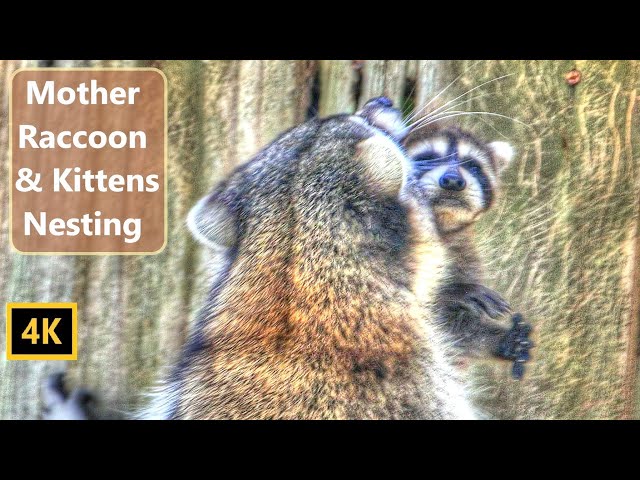
A tree-based dwelling constructed by Procyon lotor often utilizes existing cavities or structures. These locations offer protection from the elements and predators, providing a safe haven for raising young. Such shelters can be found in a variety of tree species, particularly those with ample hollows or crooks in their branches. The construction often incorporates leaves, twigs, and other readily available natural materials.
what does a raccoon nest look like in a tree
A raccoon nest in a tree often appears as a jumbled mass of leaves, twigs, and other debris tucked into a natural cavity or a sturdy fork between branches. This accumulation of materials isn’t neatly woven like a bird’s nest, but rather piled together to create a warm, insulated space. The size of the nest can vary depending on the size of the cavity and the number of raccoons using it.
The chosen location usually provides some form of overhead cover, protecting the inhabitants from rain and snow. This cover might be the upper portion of the tree hollow, a dense cluster of branches, or even a pre-existing structure like a squirrels drey that the raccoon has modified. The entrance to the nest can be quite large, sometimes even a foot or more in diameter, allowing easy access for the adult raccoons.
Inside, the nest is typically lined with softer materials like shredded bark, dried grass, or fur. This lining provides additional insulation and comfort. The nest may also contain remnants of food, such as nutshells or fruit pits, as raccoons are not particularly tidy housekeepers.
Locating these nests can be challenging as they are often well-camouflaged within the tree’s foliage. Looking for accumulations of debris in tree hollows or crooks is a good starting point. Evidence of raccoon activity around the base of the tree, such as tracks or scat, can also be an indicator of a nearby nest.
While raccoons often prefer natural cavities, they are opportunistic and may also utilize abandoned bird nests or squirrel dreys. They may enlarge existing openings or add more materials to suit their needs. This adaptability allows them to thrive in a variety of wooded environments.
The height of the nest can vary significantly. While some nests are found relatively low to the ground, others may be situated high in the tree canopy, sometimes 50 feet or more above the ground. The availability of suitable locations and the perceived level of safety influence the chosen height.
Nests are typically used for shelter during the day and for raising young. Mother raccoons, known as sows, will give birth and raise their kits in the relative safety of the treetop den. The nest provides a warm, secure environment for the vulnerable young until they are old enough to venture out.
During the colder months, raccoons may share a nest with several other individuals to conserve heat. These communal nests can become quite large and contain a significant amount of nesting material. This behavior helps them survive harsh winter conditions.
Its important to remember that disturbing a raccoon nest can be dangerous. Mother raccoons are fiercely protective of their young and will defend them against perceived threats. Observing nests from a safe distance is recommended.
Finally, understanding the appearance and location of raccoon nests can provide valuable insights into their behavior and ecology. This knowledge can also be helpful for homeowners seeking to mitigate potential conflicts with these adaptable creatures.
Important Points to Consider
-
Location:
Raccoon nests are typically found in tree hollows, branch forks, or abandoned squirrel dreys, offering protection from weather and predators. They prefer locations with overhead cover, such as the upper part of a tree hollow or a dense cluster of branches. The chosen location is often determined by the availability of suitable cavities and the perceived level of safety. Raccoons are adaptable and can modify existing structures to fit their needs.
-
Construction:
Nests are constructed from readily available materials like leaves, twigs, shredded bark, dried grass, and sometimes fur. These materials are piled together, creating a warm and insulated space. The size and composition of the nest can vary depending on the available resources and the size of the cavity. Construction isn’t as neat and intricate as a birds nest.
-
Appearance:
A raccoon nest appears as a messy accumulation of debris tucked into a tree cavity. It often blends in with the surrounding foliage, making it difficult to spot. The entrance can be relatively large, allowing easy access for adult raccoons. The interior is typically lined with softer materials for added comfort and insulation.
-
Height:
Nest height can vary significantly, ranging from close to the ground to high in the canopy. The specific height depends on the availability of suitable locations and the perceived safety from predators. Higher nests may offer better protection from ground-dwelling predators, while lower nests may be easier to access.
-
Function:
The primary function of a tree nest is to provide shelter from the elements and a safe place to raise young. Raccoons use these dens for daytime rest and as nurseries for their kits. During winter, they may share nests for warmth.
-
Safety Concerns:
Disturbing a raccoon nest can be dangerous, especially if it contains young. Mother raccoons are protective and may become aggressive if they feel threatened. Observing nests from a distance is crucial for safety. Professional removal should be considered if a nest poses a problem.
-
Signs of Activity:
Evidence of raccoon activity, such as tracks, scat, or food remnants around the base of a tree, can indicate a nearby nest. Look for disturbed areas in tree hollows or accumulations of debris in branch forks. These signs can help confirm the presence of a raccoon den.
-
Seasonal Use:
While raccoons may use tree nests year-round, their use can vary depending on the season. During breeding season, nests are crucial for raising young. In winter, communal nesting is more common for warmth. Understanding seasonal patterns can help predict nest usage.
Tips for Observing Raccoon Nests
-
Use binoculars:
Binoculars allow for safe observation from a distance, minimizing disturbance to the raccoons. Choose binoculars with good magnification to get a clear view of the nest and its surroundings. This also prevents potential conflict with protective mother raccoons.
-
Respect their space:
Avoid approaching the nest or making loud noises that could startle the animals. Keep a safe distance and observe quietly. Respecting their space is essential for their well-being and your safety. Interference can disrupt their natural behaviors and cause stress.
-
Look for signs of activity:
Scat, tracks, and food remnants around the base of a tree can indicate a nearby nest. Observe the surrounding area for signs of raccoon activity. This can help confirm the presence of a nest without directly disturbing the animals. Look for well-worn paths leading up to the tree.
-
Consult with wildlife professionals:
If a raccoon nest is causing concern, contact local wildlife authorities or pest control professionals for advice. They can provide safe and humane solutions for managing raccoon populations. Attempting to remove a nest yourself can be dangerous and is often illegal. Professionals have the necessary training and equipment.
Raccoons are highly adaptable mammals, and their nesting habits reflect this adaptability. They are opportunistic nesters, utilizing a variety of locations depending on availability and environmental factors. Understanding these factors can help predict where raccoons are likely to build their dens.
The presence of suitable denning trees is a key factor in raccoon habitat selection. Large, mature trees with cavities or sturdy branch forks are particularly attractive. Conservation efforts that protect these trees are essential for maintaining healthy raccoon populations.
Urban environments also offer nesting opportunities for raccoons. Attics, chimneys, and spaces under decks can serve as alternative den sites. Homeowners can take steps to prevent raccoons from accessing these areas, such as sealing entry points and keeping garbage securely stored.
Raccoon nests play a crucial role in the lifecycle of these animals. They provide a safe haven for raising young, protecting vulnerable kits from predators and harsh weather conditions. The availability of suitable nesting sites directly impacts reproductive success.
The composition of a raccoon nest can provide clues about the surrounding environment. The materials used reflect the available resources in the area. For example, nests in forested areas may contain more leaves and twigs, while urban nests might include human-made materials.
Observing raccoon nests can be a fascinating way to learn about their behavior. Watching raccoons enter and exit the nest, or observing a mother raccoon caring for her young, offers valuable insights into their social dynamics and family life.
While raccoons are generally solitary animals, they may share nests during certain times of the year, particularly during the winter months. This behavior helps conserve heat and increase survival rates in cold climates. Communal nesting can involve related or unrelated individuals.
Understanding raccoon nesting habits is also important for managing human-wildlife conflicts. Knowing where raccoons are likely to build their nests can help prevent encounters and minimize potential problems. This knowledge can also inform strategies for humane removal if necessary.
Raccoons are known for their intelligence and resourcefulness, and their nesting behavior is a testament to these qualities. Their ability to adapt to various environments and utilize available resources contributes to their widespread success.
Further research into raccoon nesting ecology can provide valuable insights into their population dynamics, habitat preferences, and interactions with other species. This knowledge can inform conservation efforts and contribute to a better understanding of these fascinating creatures.
Frequently Asked Questions
John: How can I tell if there’s a raccoon nest in a tree on my property?
Professional: Look for accumulations of leaves and twigs in tree hollows or branch forks. Also, check for raccoon droppings, tracks, and food remnants at the base of the tree. You may also observe raccoons entering or exiting the tree, especially around dusk and dawn.
Sarah: What should I do if I find a raccoon nest in my tree?
Professional: It’s generally best to leave the nest undisturbed. Avoid approaching it and observe it from a safe distance. If the nest is causing a specific problem, contact your local wildlife authorities or a pest control professional for advice and assistance.
Ali: Are raccoon nests dangerous?
Professional: Approaching a raccoon nest can be dangerous, especially if it contains young. Mother raccoons are protective and may become aggressive if they feel threatened. Observe nests from a safe distance and never attempt to handle raccoons or their young.
Maria: Do raccoons reuse their nests year after year?
Professional: Raccoons may reuse nests, but they don’t necessarily return to the same one every year. They are opportunistic and will choose the most suitable den site available at the time. They may also modify existing nests or build new ones depending on their needs.
David: How can I prevent raccoons from nesting in my trees?
Professional: Trim tree branches away from your house to prevent raccoons from gaining access to the roof or attic. Install chimney caps and cover any openings or gaps in your home’s exterior. Securely store garbage and pet food to eliminate food sources that might attract them to your property.
Youtube Video: