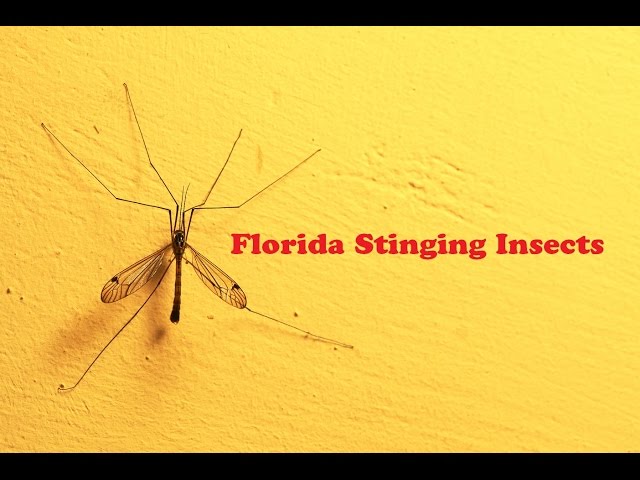
Florida’s subtropical climate provides a haven for various insects, some of which possess the ability to inflict discomfort through bites or stings. These creatures range from tiny mosquitoes to larger arachnids, and understanding their habits is crucial for both residents and visitors. While most interactions are merely irritating, some stings and bites can cause allergic reactions or transmit diseases, highlighting the importance of preventative measures and proper identification. Learning to differentiate between common culprits can empower individuals to take appropriate action and minimize potential health risks. This knowledge contributes to a safer and more enjoyable experience in the Florida outdoors.
Biting Stinging Bugs in Florida
Mosquitoes, notorious for their itchy bites, are prevalent throughout Florida, particularly during warmer months. These insects are vectors for diseases like West Nile virus and Zika virus, making their control a public health concern. Female mosquitoes require blood meals for egg production, and their bites can cause localized swelling and irritation. Protective measures include wearing long sleeves and pants, using insect repellent, and eliminating standing water where mosquitoes breed.
Fire ants, recognizable by their aggressive behavior and reddish-brown color, deliver painful stings that often result in pustules. These invasive insects build mounds in various environments, from lawns to agricultural fields. Disturbing a fire ant mound can provoke a swarm, leading to multiple stings. Treatment involves washing the affected area and applying topical antihistamines or corticosteroids.
Yellow flies, small biting flies found near bodies of water, inflict painful bites that can cause significant swelling and itching. These flies are most active during daylight hours, especially in warm, humid weather. Wearing light-colored clothing and using insect repellent can help deter yellow flies.
No-see-ums, tiny biting midges, are particularly bothersome in coastal areas. Their bites cause intense itching and can be difficult to avoid due to their small size. Using fine mesh screens and applying insect repellent are effective preventative measures.
Ticks, while not insects, are common in Florida and can transmit diseases such as Lyme disease and Rocky Mountain spotted fever. These arachnids latch onto their hosts and feed on blood. Regularly checking for ticks after spending time outdoors and promptly removing them is crucial to prevent disease transmission.
Scorpions, while not common, can be found in Florida, particularly in drier areas. Their stings can be painful and, in some cases, require medical attention. Caution should be exercised when handling objects in areas where scorpions might be present.
Spiders, like the black widow and brown recluse, can deliver venomous bites that require medical treatment. While most spider bites are harmless, it’s essential to identify the species involved if a bite occurs. Seeking medical attention is recommended, especially if symptoms worsen.
Bees, wasps, and hornets are important pollinators but can also sting when threatened. Their stings can cause pain, swelling, and allergic reactions in some individuals. Avoiding disturbing nests and wearing protective clothing when working outdoors can minimize the risk of stings.
Chiggers, microscopic mites, cause intense itching and small, red welts. They are often found in grassy or wooded areas. Wearing long pants tucked into socks and applying insect repellent can help prevent chigger bites.
Important Points to Remember
- Prevention is key. Using insect repellent, wearing protective clothing, and avoiding areas where biting and stinging insects are prevalent can significantly reduce the risk of encounters. This includes eliminating standing water around homes to reduce mosquito breeding grounds and being cautious when working outdoors, especially near potential nesting sites.
- Proper identification is crucial. Knowing the difference between various biting and stinging insects can help determine the appropriate treatment and potential risks. This knowledge empowers individuals to take informed action and seek medical attention when necessary, particularly for venomous bites or stings.
- Reactions vary. While some individuals experience mild discomfort from bites and stings, others may have allergic reactions that require immediate medical attention. Being aware of potential allergic reactions and seeking medical care promptly is essential for managing severe reactions and preventing complications.
- Treatment options differ. Depending on the type of bite or sting, treatment may involve washing the affected area, applying topical creams, or seeking medical attention. Understanding appropriate first aid measures and when to seek professional medical care can minimize discomfort and potential health risks.
- Professional pest control can be beneficial. For persistent infestations, particularly with fire ants or other stinging insects, professional pest control services can provide effective solutions. This is especially important for individuals with allergies or sensitivities to insect bites and stings.
- Be mindful of outdoor activities. When hiking, camping, or engaging in other outdoor activities, taking precautions against biting and stinging insects is essential. This includes wearing appropriate clothing, using insect repellent, and being aware of surroundings to avoid disturbing nests or attracting insects.
- Educate yourself about local species. Familiarizing oneself with the specific biting and stinging insects prevalent in a particular area can enhance preventative measures and promote safe outdoor experiences. This knowledge can help individuals make informed decisions about outdoor activities and minimize potential risks.
Tips for Managing Bites and Stings
- Clean the affected area. Wash the bite or sting site with soap and water to remove any venom or irritants. This helps prevent infection and reduces the risk of further complications.
- Apply a cold compress. A cold pack or ice wrapped in a cloth can help reduce swelling and numb the area, providing relief from pain and discomfort.
- Consider over-the-counter remedies. Topical antihistamines or hydrocortisone creams can help alleviate itching and reduce inflammation. These remedies can provide temporary relief from the discomfort associated with bites and stings.
- Avoid scratching. While itching can be intense, scratching the bite or sting site can break the skin and increase the risk of infection. Keeping the area clean and covered can help prevent scratching and promote healing.
- Seek medical attention if necessary. If symptoms worsen, such as difficulty breathing, swelling of the face or throat, or signs of infection, seek immediate medical attention. These symptoms may indicate a severe allergic reaction or other complications that require professional medical care.
Florida’s diverse ecosystem supports a wide range of insect life, including many species that bite or sting. Understanding these creatures and their behaviors is essential for protecting oneself from potential harm. By taking appropriate preventative measures and knowing how to react to bites and stings, residents and visitors can enjoy Florida’s natural beauty while minimizing risks.
Mosquito control efforts are crucial in Florida, not only for reducing nuisance bites but also for preventing the spread of mosquito-borne diseases. Public health initiatives focus on educating the public about preventative measures and implementing mosquito control programs in areas with high mosquito populations.
Fire ants pose a significant threat to both humans and the environment. Their aggressive nature and painful stings can disrupt outdoor activities and impact native ecosystems. Controlling fire ant populations requires integrated pest management strategies that combine chemical and non-chemical methods.
Protecting oneself from biting flies like yellow flies and no-see-ums involves a combination of personal protective measures and environmental modifications. Wearing light-colored clothing, using insect repellent, and minimizing exposure during peak biting times can reduce the risk of bites.
Tick-borne illnesses are a concern in Florida, and preventative measures are essential for reducing the risk of infection. Regularly checking for ticks after spending time outdoors, wearing long sleeves and pants in tick-infested areas, and using insect repellent can help prevent tick bites.
While scorpion stings are relatively rare in Florida, they can be painful and require medical attention. Being cautious when handling objects in areas where scorpions might be present and seeking medical care if stung is crucial.
Spider bites, while often harmless, can sometimes be dangerous, especially from venomous species like the black widow and brown recluse. Knowing how to identify these spiders and seeking medical attention if bitten is important for preventing complications.
Bees, wasps, and hornets play a vital role in pollination, but their stings can be painful and cause allergic reactions in some individuals. Avoiding disturbing nests and taking precautions when working outdoors can minimize the risk of stings.
Chigger bites, though not dangerous, can cause intense itching and discomfort. Preventing chigger bites involves wearing protective clothing and applying insect repellent to exposed skin when spending time in grassy or wooded areas.
Frequently Asked Questions
John: What should I do if I get stung by a bee and I’m allergic?
Professional: If you are allergic to bee stings and get stung, seek immediate medical attention. Use an epinephrine auto-injector (EpiPen) if you have one, and call 911 or go to the nearest emergency room. Allergic reactions can be severe and life-threatening, so prompt medical care is essential.
Sarah: How can I prevent mosquito bites when I’m spending time outdoors in Florida?
Professional: Use an EPA-registered insect repellent containing DEET, picaridin, or oil of lemon eucalyptus. Wear long sleeves and pants when possible, and consider using mosquito netting over hats or strollers. Eliminate standing water around your home to reduce mosquito breeding grounds.
Ali: What’s the best way to remove a tick?
Professional: Use fine-tipped tweezers to grasp the tick as close to the skin’s surface as possible. Pull upward with steady, even pressure. Avoid twisting or jerking the tick, as this can break off the mouthparts and increase the risk of infection. Clean the bite area with rubbing alcohol or soap and water after removing the tick.
Maria: What should I do if I find a fire ant mound in my yard?
Professional: Avoid disturbing the mound. Contact a qualified pest control professional to address the infestation safely and effectively. Attempting to treat the mound yourself can be dangerous and may not eliminate the colony completely.
David: How can I tell the difference between a mosquito bite and a spider bite?
Professional: Mosquito bites typically appear as small, itchy bumps, while spider bites can vary in appearance depending on the spider species. Some spider bites may cause redness, swelling, pain, and even blistering. If you are unsure about the source of a bite and are experiencing significant symptoms, seek medical attention.
Youtube Video: