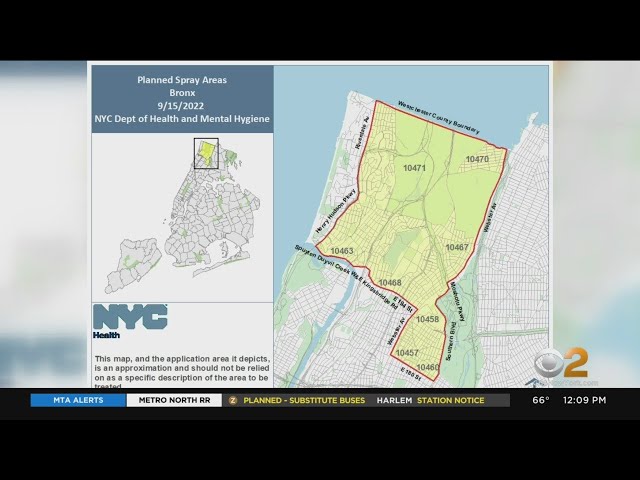
A cartographic representation of planned insecticide dispersal for mosquito control illustrates geographically where and when such activities occur. These visual aids are often interactive, allowing residents to pinpoint their location and determine if and when spraying is scheduled in their neighborhood. Access to this information empowers individuals to take necessary precautions, such as staying indoors during spraying periods or protecting sensitive outdoor items. Public health departments frequently publish these maps to keep communities informed and minimize potential exposure to the insecticides used.
For instance, a city might publish a map highlighting areas scheduled for aerial spraying due to elevated mosquito populations and the risk of West Nile virus. Another example would be a localized map showing truck-based spraying schedules in specific parks or neighborhoods experiencing a surge in mosquito activity. These maps are crucial tools for public health communication and mosquito control program transparency.
Map of Mosquito Spraying in NYC
New York City, a densely populated urban environment, faces unique challenges in managing mosquito populations. The city’s diverse landscape, including parks, wetlands, and coastal areas, provides ample breeding grounds for these insects. Therefore, a comprehensive mosquito control program is essential to protect public health and minimize the nuisance caused by these pests.
A key component of NYC’s mosquito control strategy involves targeted spraying of insecticides. These spraying operations are carefully planned and executed based on surveillance data, mosquito population density, and the presence of mosquito-borne diseases. The city utilizes both ground-based and aerial spraying methods, adapting the approach to the specific circumstances and the targeted area.
The NYC Department of Health and Mental Hygiene (DOHMH) publishes a detailed map illustrating planned mosquito spraying activities. This map is typically updated regularly throughout the mosquito season, providing residents with up-to-date information. The interactive map allows users to zoom in on specific neighborhoods and view scheduled spraying dates and times.
This map is a vital resource for New Yorkers. It allows them to prepare for spraying activities and minimize their exposure to insecticides. The information provided on the map helps residents make informed decisions about outdoor activities and protects vulnerable populations, such as children and individuals with respiratory sensitivities.
The map also displays the type of insecticide used in each spraying operation. This transparency allows residents to understand the specific chemicals being applied and access information regarding their potential health effects. The DOHMH provides detailed fact sheets about each insecticide, ensuring that residents have access to comprehensive information.
In addition to the spraying map, the DOHMH offers various resources and educational materials about mosquito control. These resources include tips for reducing mosquito breeding grounds around homes and information about personal protective measures against mosquito bites. The department encourages community participation in mosquito control efforts.
By providing a readily accessible and informative map, the DOHMH empowers New Yorkers to actively participate in protecting themselves and their communities from mosquito-borne illnesses. This proactive approach to public health communication contributes significantly to the city’s overall mosquito control strategy.
The availability of this map exemplifies the city’s commitment to transparency and public engagement in mosquito control efforts. This level of detail and accessibility allows residents to stay informed and make informed decisions about their health and well-being.
Ultimately, the map serves as a crucial tool for both public health officials and residents in the ongoing effort to manage mosquito populations and mitigate the risks associated with these insects in New York City.
Important Points Regarding Mosquito Spraying Maps
- Accessibility: Easy access to the map is crucial for its effectiveness. The map should be readily available online, through mobile devices, and in print format for those without internet access. Multiple access points ensure that all residents can obtain the necessary information, regardless of their technological capabilities.
- Accuracy: The information presented on the map must be accurate and up-to-date. Regular updates are essential to reflect changes in spraying schedules or areas covered. Inaccurate information can lead to confusion and potentially expose residents to insecticides unnecessarily.
- Clarity: The map should be easy to understand and navigate. Clear labeling, intuitive icons, and a user-friendly interface are essential for conveying information effectively. A cluttered or confusing map can hinder residents’ ability to access the information they need.
- Comprehensive Information: The map should provide comprehensive details about spraying activities. This includes the date, time, location, type of insecticide used, and any precautions residents should take. Complete information allows residents to make informed decisions about their activities and protect themselves accordingly.
- Multilingual Support: In diverse communities, providing the map and related information in multiple languages is crucial. This ensures that all residents, regardless of their primary language, can understand the information and take necessary precautions. Language accessibility promotes inclusivity and equitable access to public health information.
- Contact Information: The map should include contact information for relevant authorities. This allows residents to ask questions, report concerns, or request further information. Providing contact information fosters transparency and builds trust between public health agencies and the community.
- Public Awareness: Promoting awareness of the map’s existence is vital. Public service announcements, community outreach, and partnerships with local organizations can help disseminate information about the map and its importance. Increased awareness ensures that more residents utilize the resource and benefit from its information.
Tips for Using Mosquito Spraying Maps
- Check the map regularly: Spraying schedules can change, so it’s essential to check the map frequently, especially during mosquito season. Regularly reviewing the map ensures you have the most up-to-date information about spraying activities in your area.
- Sign up for alerts: Many municipalities offer email or text message alerts about mosquito spraying. Signing up for these alerts can provide timely notifications about spraying activities in your neighborhood, allowing you to take necessary precautions.
- Understand the insecticide used: Familiarize yourself with the type of insecticide being used in your area. Research the potential health effects and any recommended precautions. Understanding the insecticide’s properties helps you make informed decisions about your exposure.
- Take precautions during spraying: If spraying is scheduled in your area, take appropriate precautions. Stay indoors during spraying periods, close windows, and bring pets inside. Taking precautions minimizes your exposure to insecticides and protects your health.
Mosquito control is a multifaceted effort requiring a combination of strategies. Public education plays a crucial role in empowering individuals to take preventative measures, such as eliminating standing water around their homes and using personal insect repellents. These individual actions contribute significantly to overall mosquito control efforts.
Surveillance programs are essential for monitoring mosquito populations and detecting the presence of mosquito-borne diseases. Regular trapping and testing of mosquitoes provide valuable data that informs spraying decisions and helps target areas with the highest risk. This data-driven approach ensures that spraying activities are focused and effective.
Collaboration between government agencies, community organizations, and residents is crucial for successful mosquito control. By working together, communities can implement comprehensive strategies that address all aspects of mosquito management, from source reduction to public education. Collaborative efforts amplify the impact of individual actions.
Integrated pest management strategies emphasize a holistic approach to mosquito control, minimizing the use of chemical insecticides while maximizing the effectiveness of other methods. This approach considers the environmental impact of control measures and prioritizes sustainable solutions. Integrated pest management promotes long-term ecological health.
Research and development of new mosquito control technologies continue to advance. Scientists are exploring innovative approaches, such as genetically modified mosquitoes and novel insecticides, to combat these pests more effectively. Ongoing research promises more targeted and environmentally friendly solutions in the future.
Climate change is impacting mosquito populations and the spread of mosquito-borne diseases. Warmer temperatures and altered rainfall patterns can create more favorable conditions for mosquito breeding and expand their geographic range. Understanding the influence of climate change is crucial for adapting mosquito control strategies.
Community engagement is essential for building public trust and support for mosquito control programs. Open communication, transparency, and opportunities for public input foster greater understanding and cooperation. Engaged communities are more likely to actively participate in mosquito control efforts.
The economic impact of mosquito-borne diseases is significant. Healthcare costs, lost productivity, and the impact on tourism can strain local economies. Effective mosquito control programs can mitigate these economic burdens and protect public health investments.
Frequently Asked Questions
John: What are the health risks associated with mosquito spraying?
Professional: While the insecticides used are generally considered safe when applied according to guidelines, some individuals may experience mild, temporary symptoms such as skin irritation or respiratory discomfort. Individuals with sensitivities are encouraged to consult their physician for specific precautions.
Sarah: How can I find out exactly when spraying will occur in my neighborhood?
Professional: Consult the official mosquito spraying map for your area, which typically provides specific dates and times down to the neighborhood level. Many municipalities also offer notification services via email or text message for residents who register for updates.
Ali: What should I do if I see a mosquito spraying truck in my area?
Professional: While not always necessary to stay indoors during truck spraying, it’s advisable to avoid direct contact with the spray. Keep children and pets indoors as a precaution, and close windows if the spray is directed near your home.
Maria: Are there natural alternatives to chemical mosquito spraying?
Professional: Yes, several natural methods can help control mosquito populations. These include eliminating standing water around your property, using mosquito dunks containing Bti bacteria, and planting mosquito-repelling plants like citronella or lavender.
David: What is the best way to protect myself from mosquito bites?
Professional: Use EPA-registered insect repellents containing DEET, picaridin, or oil of lemon eucalyptus. Wearing long sleeves and pants, especially during dawn and dusk when mosquitoes are most active, also provides effective protection.
Emily: Who can I contact if I have concerns about mosquito spraying in my area?
Professional: Contact your local health department or mosquito control district. They can provide specific information about spraying operations in your area and address any concerns you may have.
Youtube Video: