The management of ant infestations involves a variety of methods and strategies to eliminate or mitigate the presence of these insects in homes and other environments. This process often requires a multi-faceted approach, addressing both the immediate problem and the underlying causes. Effective management may involve using baits, insecticides, and physical barriers, as well as modifying the environment to make it less attractive to ants. Successfully addressing an infestation typically requires a thorough understanding of ant behavior and biology.
For example, a homeowner might discover a trail of ants leading to a spilled sugary drink. Addressing this issue requires cleaning the spill and then placing ant baits near the entry point. Another example involves a business dealing with an ant infestation in a food storage area. This situation necessitates professional intervention, likely involving a combination of insecticide treatments and sanitation improvements to prevent future infestations.
ant control
Effective management strategies often begin with identifying the species of ant involved. Different species have varying foraging habits and preferences, which influence treatment choices. Knowing the species allows for targeted treatments that exploit their specific weaknesses. Accurate identification also helps determine the potential for structural damage or health risks.
Once the ant species is identified, the next step is to locate the nest. This can be challenging, as ant nests can be hidden in walls, under floors, or even outdoors. Tracing ant trails and observing their behavior can help pinpoint the nest location. Locating the nest is crucial for effective treatment, as it allows for direct application of insecticides.
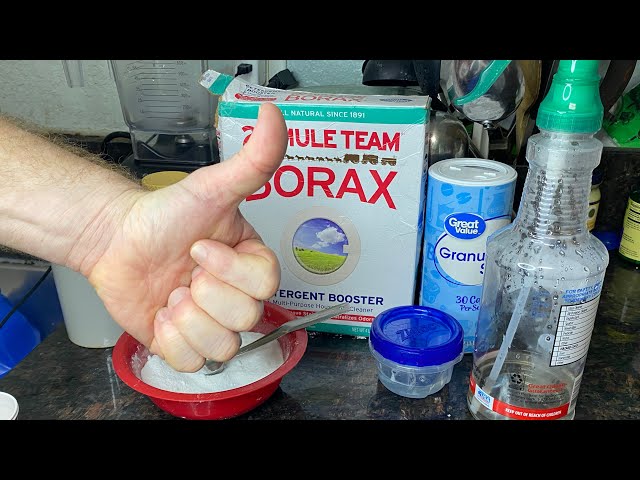
Several treatment options are available, including baits, insecticide sprays, and dusts. Baits are often preferred for indoor use, as they attract ants and allow them to carry the poison back to the nest. Insecticide sprays and dusts can be effective for outdoor use or for treating specific areas. The choice of treatment depends on the species of ant, the severity of the infestation, and the location of the nest.
Preventing future infestations is just as important as eliminating existing ones. This involves maintaining a clean environment, sealing cracks and crevices that ants can use to enter, and storing food properly. Regular inspections can help identify potential problems before they become major infestations. Proactive measures are crucial for long-term ant control.
Professional pest control services offer expertise and specialized treatments for more challenging infestations. They can accurately identify the ant species, locate the nest, and recommend the most effective treatment plan. Professional services are often necessary for large infestations or when DIY methods prove ineffective. Their experience and knowledge can save time and resources in the long run.
Regular monitoring is essential after treatment to ensure its effectiveness. This may involve inspecting for ant activity, replenishing baits, or scheduling follow-up treatments. Ongoing monitoring helps prevent re-infestation and ensures long-term control. It also allows for adjustments to the treatment plan if necessary.
Integrated pest management (IPM) strategies emphasize a holistic approach to ant control. This involves combining various methods, such as sanitation, exclusion, and targeted pesticide use. IPM aims to minimize pesticide use while maximizing effectiveness. This approach is environmentally friendly and sustainable.
Understanding ant behavior is crucial for effective management. Ants communicate through pheromones, which they use to mark trails and recruit other ants to food sources. Disrupting these pheromone trails can help deter ants and prevent them from establishing new foraging routes. This can be achieved by cleaning surfaces with vinegar or other cleaning solutions.
Choosing the right treatment method depends on various factors, including the severity of the infestation, the location of the nest, and the species of ant. Consulting with a pest control professional can help determine the best course of action. A professional can assess the situation and recommend a tailored treatment plan that addresses the specific needs of the environment.
Important Points
-
Species Identification:
Correctly identifying the ant species is paramount for effective control. Different species exhibit varied behaviors, nesting habits, and sensitivities to treatments. Misidentification can lead to ineffective control measures and prolonged infestations. Accurate identification enables targeted treatments for optimal results.
-
Nest Location:
Locating the ant nest is crucial for eliminating the colony. Treatments applied directly to the nest are significantly more effective than surface treatments. Knowing the nest location also helps understand the extent of the infestation and potential entry points. This knowledge guides targeted treatment strategies.
-
Treatment Selection:
Choosing the appropriate treatment method is essential for successful ant control. Various options exist, including baits, sprays, dusts, and professional treatments. Factors like the ant species, infestation severity, and environmental considerations influence the choice of treatment. Selecting the wrong treatment can be ineffective and potentially harmful.
-
Prevention:
Preventive measures are key to long-term ant control. Maintaining cleanliness, sealing entry points, and proper food storage deter ants from entering and establishing colonies. Regular inspections can identify potential problems early on. Prevention minimizes the need for reactive treatments.
-
Professional Help:
Professional pest control services offer expertise and specialized treatments. They possess the knowledge and tools to handle complex infestations effectively. Professionals can also identify underlying causes and recommend preventative measures. Their involvement often saves time, resources, and frustration.
-
Monitoring:
Regular monitoring after treatment ensures its effectiveness and helps prevent re-infestation. Monitoring involves inspecting for ant activity and adjusting treatment strategies as needed. This proactive approach maintains control and prevents the resurgence of ant populations. Consistent monitoring is essential for long-term success.
-
Integrated Pest Management (IPM):
IPM emphasizes a holistic approach, combining various methods like sanitation, exclusion, and targeted pesticide use. This strategy minimizes environmental impact while maximizing effectiveness. IPM promotes sustainable and responsible pest management practices. It offers a balanced approach to ant control.
Tips and Details
-
Cleanliness:
Maintaining a clean environment is crucial for preventing ant infestations. Regularly clean spills, crumbs, and food debris. Wipe down countertops and sweep floors to eliminate food sources that attract ants. Cleanliness disrupts ant trails and makes the environment less appealing.
-
Seal Entry Points:
Seal cracks and crevices in walls, windows, and doors to prevent ants from entering. Use caulk or weather stripping to block potential entry points. This physical barrier prevents ants from accessing indoor spaces. Sealing entry points is a crucial preventative measure.
-
Proper Food Storage:
Store food in airtight containers to prevent ants from accessing it. Avoid leaving pet food out overnight. Proper food storage eliminates food sources that attract ants. This practice helps prevent infestations and maintains hygiene.
-
Outdoor Maintenance:
Trim vegetation around the perimeter of the building to reduce ant harborage areas. Remove debris and leaf litter that can provide shelter for ants. Maintaining a clean outdoor environment minimizes the risk of ant infestations. Regular outdoor maintenance creates a less attractive environment for ants.
Ants are social insects that live in colonies, often with a complex social structure. Their colonies can range in size from a few dozen to millions of individuals. Understanding their social structure helps in developing effective control strategies. Targeting the queen ant is often crucial for eliminating the entire colony.
Ants play a vital role in the ecosystem, acting as decomposers and seed dispersers. However, they can become pests when they invade homes and businesses in search of food and water. Their foraging behavior can lead them to contaminate food and spread diseases. Controlling ant populations in human environments is important for maintaining hygiene and preventing health risks.
Different ant species have different food preferences. Some are attracted to sweets, while others prefer proteins or fats. Knowing the food preferences of the specific ant species infesting a property helps in selecting the most effective bait. Targeted baiting strategies increase the chances of eliminating the colony.
Ants communicate primarily through chemical signals called pheromones. They use pheromones to mark trails to food sources and to alert other ants to danger. Disrupting these pheromone trails can be an effective control strategy. Cleaning surfaces with vinegar or other cleaning solutions can disrupt ant trails and deter them from foraging.
Weather conditions can influence ant activity. During hot and dry periods, ants may be more likely to invade homes in search of water. Understanding the impact of weather on ant behavior can help in predicting and preventing infestations. Taking preventative measures during periods of increased ant activity can minimize the risk of infestations.
The effectiveness of different ant control methods can vary depending on the species of ant and the environment. What works for one species may not work for another. It’s important to choose a control method that is appropriate for the specific situation. Consulting with a pest control professional can help in selecting the most effective treatment strategy.
Overuse of pesticides can lead to the development of resistance in ant populations. This can make it more difficult to control infestations in the future. Using IPM strategies can help minimize the use of pesticides and prevent the development of resistance. Responsible pesticide use is crucial for long-term ant control.
Educating oneself about ant behavior and control methods can empower individuals to take proactive steps to prevent and manage infestations. Understanding the biology and behavior of ants can help in developing effective and sustainable control strategies. Knowledge is key to effective ant control.
FAQ
John: How can I tell what kind of ants I have?
Professional: While some ants are easily identifiable, many require expert analysis. Taking a clear photo or collecting a few specimens (safely) and consulting a pest control professional or entomologist is the best way to ensure proper identification.
Sarah: Are all ant baits the same?
Professional: No, different ant baits contain different active ingredients designed to target specific species. Using the wrong bait can be ineffective. Its crucial to choose a bait formulated for the type of ant youre dealing with. A pest control professional can help you select the right bait.
Ali: Ive tried everything, but the ants keep coming back. What should I do?
Professional: Persistent ant problems often indicate a larger, underlying issue or misidentification of the species. Contacting a qualified pest control professional is recommended for a thorough inspection and customized treatment plan.
Maria: Is it safe to use ant sprays around children and pets?
Professional: Always follow the instructions on the label carefully. Many ant sprays require specific precautions. Consider using bait stations, which are generally safer, or consulting a pest control professional for pet- and child-safe treatment options.
David: How can I prevent ants from getting into my house in the first place?
Professional: Focus on exclusion and sanitation. Seal cracks and crevices, keep food stored properly, clean up spills promptly, and maintain a clean kitchen. Regularly inspect your home for potential entry points and address them immediately.
Youtube Video: