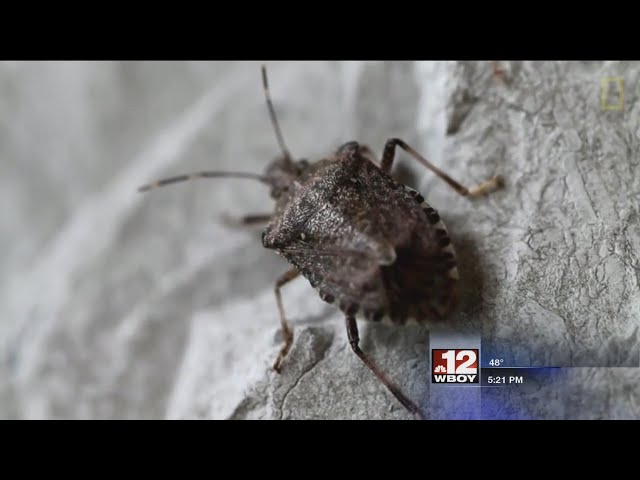
West Virginia’s diverse climate and abundant natural surroundings create an environment where various arthropods thrive, some of which inevitably find their way indoors. These creatures, often considered pests, range from tiny ants seeking crumbs to larger spiders weaving webs in quiet corners. Understanding these common household invaders can help residents manage their presence and minimize potential issues. Proper identification and knowledge of their habits are key to effective and environmentally conscious pest control.
Common House Bugs in West Virginia
Ants are frequent visitors to West Virginia homes, particularly odorous house ants and pavement ants. Odorous house ants release a distinct, unpleasant smell when crushed, while pavement ants often nest in cracks in sidewalks and driveways, venturing indoors in search of food and water. Their small size allows them access through tiny crevices, making prevention a challenge.
Spiders are another common group of household arthropods in the state. Cellar spiders, often mistaken for daddy longlegs, prefer dark, damp areas like basements. Orb-weaver spiders, known for their intricate webs, can be found in gardens and around exterior lights, occasionally venturing indoors. While most spiders are harmless, their presence can be unsettling for some residents.
Centipedes, with their numerous legs and elongated bodies, are often found in damp areas of homes, such as bathrooms and basements. They are predatory, feeding on other insects, and while their appearance can be alarming, they pose little threat to humans. House centipedes, in particular, are known for their speed and ability to control other pest populations.
Millipedes, often confused with centipedes, are characterized by their cylindrical bodies and two pairs of legs per body segment. They prefer moist environments and feed on decaying organic matter. While generally harmless, they can become a nuisance in large numbers, particularly in damp basements or crawl spaces.
Silverfish, small, wingless insects with a silvery sheen, are commonly found in bathrooms, kitchens, and basements. They feed on carbohydrates, including paper, glue, and book bindings. Their nocturnal habits and quick movements make them difficult to spot.
Carpet beetles are small, oval-shaped insects that feed on natural fibers, including wool, fur, and feathers. They can cause damage to carpets, clothing, and upholstered furniture. Their larvae are particularly destructive and can be difficult to detect.
Cockroaches, particularly the German cockroach, are a common pest in many homes. They thrive in warm, humid environments and can contaminate food and spread disease. Their nocturnal habits and rapid reproduction make them challenging to control.
Fruit flies are small, winged insects attracted to ripe or decaying fruits and vegetables. They reproduce quickly and can become a nuisance in kitchens and dining areas. Proper sanitation and disposal of overripe produce are essential for controlling fruit fly populations.
Cluster flies, slightly larger than house flies, are known for their habit of clustering together in attics and wall voids during the colder months. They are primarily a nuisance pest, but their presence in large numbers can be unsettling.
Important Points
- Proper Identification: Accurate identification of household pests is crucial for effective control. Knowing the specific species allows for targeted treatment strategies and avoids unnecessary pesticide use. Misidentification can lead to ineffective control measures and potential harm to non-target organisms.
- Integrated Pest Management (IPM): IPM emphasizes prevention and control methods that minimize environmental impact. This approach focuses on sealing entry points, eliminating food and water sources, and using targeted pesticides only when necessary. IPM strategies are more sustainable and reduce the risk of pesticide exposure.
- Habitat Modification: Reducing moisture and eliminating clutter can significantly deter many common household pests. Proper ventilation in bathrooms and basements, along with regular cleaning, can create an environment less conducive to pest infestations. Storing food in airtight containers and promptly cleaning up spills also helps to limit food sources.
- Professional Pest Control: For severe infestations or persistent pest problems, consulting a professional pest control service is recommended. Professionals have the expertise and resources to effectively manage pest populations while minimizing risks to human health and the environment. They can also provide valuable advice on prevention strategies.
- Safety Precautions: When using pesticides, always follow label instructions carefully and take appropriate safety precautions. Store pesticides out of reach of children and pets. Wear protective clothing, such as gloves and masks, when applying pesticides. Ensure proper ventilation during and after application.
- Regular Monitoring: Regularly inspecting your home for signs of pest activity can help prevent infestations from becoming established. Check for droppings, nests, and other signs of pest presence. Promptly address any issues to prevent populations from growing and spreading.
Tips and Details
- Seal Cracks and Crevices: Seal any cracks or gaps in the foundation, walls, and around windows and doors to prevent pests from entering your home. Use caulk or weather stripping to effectively seal these entry points. This simple measure can significantly reduce pest intrusions.
- Eliminate Food and Water Sources: Store food in airtight containers, clean up spills promptly, and avoid leaving pet food out overnight. Fix leaky faucets and pipes to eliminate water sources that attract pests. These practices will make your home less appealing to insects and rodents.
- Keep a Clean Home: Regularly vacuum and sweep floors, especially in areas where food is prepared or consumed. Clean up crumbs and spills immediately. Regular cleaning disrupts pest activity and removes potential food sources.
- Maintain Landscaping: Keep vegetation trimmed back from the foundation of your home to reduce harborage areas for pests. Remove leaf litter and debris from around your property. Proper landscaping creates a barrier between your home and potential pest invaders.
West Virginia’s humid summers can exacerbate moisture problems in homes, creating ideal conditions for certain pests. Proper ventilation and dehumidification can help control moisture levels and deter pest infestations. Regularly checking for leaks and addressing any plumbing issues is also essential.
Storing firewood away from the house and elevating it off the ground can prevent pests from using it as a harborage and entry point into the home. Firewood can harbor insects such as termites and carpenter ants, which can then infest the structure of the home.
Understanding the life cycles of common household pests can inform effective control strategies. Knowing when pests are most active and vulnerable can help target treatments for maximum impact. This knowledge also allows for preventative measures to be implemented at the most opportune times.
Different pest species require different control methods. While some pests may be effectively controlled with traps or baits, others may require professional intervention. Researching the specific pest and its vulnerabilities can help determine the most appropriate course of action.
Natural pest control methods, such as using diatomaceous earth or essential oils, can be effective for some pests. These methods can be less toxic than traditional pesticides and offer a more environmentally friendly approach to pest control. However, it’s important to research the effectiveness and safety of these methods before using them.
Preventing pest infestations is often more effective and less costly than treating existing infestations. Implementing preventative measures, such as sealing entry points and eliminating food and water sources, can significantly reduce the likelihood of pest problems. Regular monitoring and early intervention can also prevent infestations from becoming established.
Community-wide pest control efforts can be more effective than individual efforts. Working with neighbors to address common pest problems can help reduce pest populations in the entire area. This can involve sharing information about effective control methods and coordinating efforts to eliminate harborage areas.
Climate change can impact pest populations and distribution. Warmer temperatures and changes in precipitation patterns can create more favorable conditions for certain pests, leading to increased infestations. Staying informed about these changes and adapting pest control strategies accordingly is important.
FAQ
John: What are some signs of a cockroach infestation? Professional: Signs of a cockroach infestation include droppings, egg casings, shed skins, and a musty odor. You may also see live cockroaches, especially at night.
Sarah: How can I prevent ants from entering my home? Professional: Prevent ants by sealing cracks and crevices, cleaning up food spills promptly, storing food in airtight containers, and eliminating standing water sources.
Ali: Are centipedes dangerous? Professional: While centipedes can bite, their bites are rarely serious and typically cause only mild pain and swelling. They are beneficial in controlling other pest populations.
Maria: What should I do if I find carpet beetles in my home? Professional: If you find carpet beetles, thoroughly vacuum infested areas and discard heavily infested items. You may also need to treat affected areas with an insecticide specifically designed for carpet beetles.
David: How can I get rid of fruit flies? Professional: Eliminate fruit flies by removing overripe fruits and vegetables, cleaning drains and garbage disposals, and using traps or baits. Maintaining a clean kitchen is crucial for preventing fruit fly infestations.
Lisa: What is the best way to control spiders in my home? Professional: Control spiders by removing webs, reducing clutter, sealing cracks and crevices, and using sticky traps. Consider reducing outdoor lighting, which attracts insects that spiders feed on.
Youtube Video: