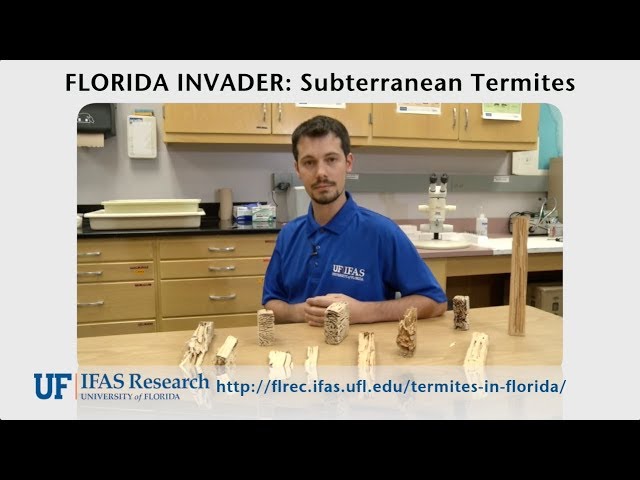
These wood-destroying insects are social creatures, living in colonies that can number in the millions. Colonies consist of different castes, each with specialized roles like workers, soldiers, and reproductives. Subterranean and drywood species are particularly prevalent, posing significant threats to homes and other wooden structures. Florida’s warm, humid climate provides ideal conditions for these insects to thrive, making regular inspections and preventative measures crucial for property owners.
For instance, Formosan subterranean termites, known for their aggressive feeding habits and large colony size, are a significant concern in many parts of the state. Drywood termites, on the other hand, infest dry wood directly, often requiring different treatment approaches than their subterranean counterparts. Identifying the specific type of infestation is critical for effective control.
Termites in Florida
Florida’s subtropical climate creates a haven for various termite species, making it a hotspot for termite activity. The state’s humidity and warmth provide ideal breeding grounds, leading to rapid colony growth and widespread infestations. Homeowners and property managers must be vigilant in protecting their investments from these destructive pests.
Subterranean termites, which require moisture to survive, are particularly common in Florida. These termites build mud tubes to access wood sources above ground, often leaving telltale signs of their presence. Regular inspections of foundations and crawl spaces are essential for early detection of subterranean termite activity.
Drywood termites, unlike their subterranean counterparts, infest dry wood directly, often entering through cracks and crevices in wooden structures. They do not require contact with soil and can establish colonies within walls, furniture, and other wooden elements. Their presence might be indicated by small piles of fecal pellets (frass) near infested areas.
Dampwood termites, though less common than subterranean or drywood termites, are also found in Florida, particularly in areas with high moisture content. They infest damp and decaying wood, often associated with leaks or poor ventilation. Addressing moisture issues is key to preventing dampwood termite infestations.
The economic impact of termites in Florida is substantial. The cost of termite damage and control measures can be significant for homeowners and businesses alike. Implementing preventative measures and seeking professional help at the first sign of infestation is crucial for minimizing financial losses.
Professional termite control services are widely available in Florida, offering various treatment options tailored to specific needs. These services often involve inspections, baiting systems, liquid treatments, and fumigation, depending on the type and extent of the infestation.
Early detection of termite activity is vital for effective control. Homeowners should be aware of the signs of infestation, such as mud tubes, discarded wings, and wood damage. Regular inspections by qualified professionals are highly recommended, especially in high-risk areas.
Preventative measures, such as maintaining proper drainage around the property, removing wood debris, and ensuring proper ventilation, can significantly reduce the risk of termite infestations. These proactive steps can save homeowners considerable time, money, and stress in the long run.
Protecting homes and businesses from termites requires a multi-pronged approach, combining vigilance, preventative measures, and professional expertise. By understanding the specific challenges posed by termites in Florida, property owners can take effective steps to safeguard their investments from these destructive pests.
Important Points to Consider
- Regular Inspections: Regular termite inspections are crucial for early detection of infestations. These inspections should be conducted by qualified professionals who can identify signs of termite activity and recommend appropriate treatment options. Early detection can significantly reduce the extent of damage and the cost of treatment. It’s recommended to have inspections annually, or more frequently in high-risk areas.
- Moisture Control: Moisture is a key factor in attracting subterranean termites. Maintaining proper drainage around the property, repairing leaks promptly, and ensuring proper ventilation in crawl spaces can help reduce moisture levels and deter termite activity. This includes directing downspouts away from the foundation and grading the landscape to slope away from the building.
- Wood Debris Removal: Removing wood debris, such as stumps, logs, and lumber, from around the property eliminates potential food sources for termites. This includes keeping firewood stacked away from the house and ensuring proper clearance between wood structures and the soil. Regularly clearing out dead vegetation and mulch can also help.
- Professional Treatment: Professional termite control services offer a range of treatment options, including baiting systems, liquid treatments, and fumigation. Choosing the right treatment depends on the type of termite, the extent of the infestation, and the specific characteristics of the property. Consulting with a qualified professional is essential for determining the most effective approach.
- Preventative Measures: Implementing preventative measures can significantly reduce the risk of termite infestations. These measures include using termite-resistant construction materials, creating physical barriers between the soil and wood structures, and maintaining proper landscaping practices. Regular monitoring and maintenance are essential for long-term protection.
- Understanding Termite Behavior: Understanding the behavior of different termite species is crucial for effective control. Subterranean termites require contact with soil, while drywood termites infest dry wood directly. Knowing the specific type of termite infesting a property can help determine the most appropriate treatment strategy.
- Long-Term Protection: Termite control is an ongoing process, not a one-time event. Long-term protection requires regular monitoring, preventative measures, and periodic professional treatments. Establishing a comprehensive termite management plan can help protect properties from future infestations.
- Building Codes and Regulations: Familiarizing oneself with local building codes and regulations related to termite control can ensure compliance and help prevent future problems. These regulations often address construction practices and preventative measures designed to minimize the risk of termite infestations.
- Environmental Considerations: Choosing environmentally friendly termite control methods can minimize the impact on the surrounding ecosystem. This includes using baiting systems and other targeted treatments that reduce the use of harsh chemicals. Consulting with a professional can help identify eco-friendly options.
Tips for Preventing Termite Infestations
- Maintain Proper Ventilation: Ensure adequate ventilation in crawl spaces and attics to reduce moisture buildup, which can attract subterranean termites. Proper ventilation helps to regulate humidity levels and create an environment less conducive to termite activity. This can involve installing vents and fans to promote air circulation.
- Seal Cracks and Crevices: Seal any cracks and crevices in the foundation and exterior walls of the building to prevent termites from entering. This includes sealing gaps around pipes, wires, and other utility entry points. Using caulk and other sealants can effectively block these access points.
- Remove Wood-to-Soil Contact: Eliminate wood-to-soil contact by ensuring proper clearance between wooden structures and the ground. This includes decks, porches, and fences. Using concrete or metal supports can help prevent direct contact with the soil.
- Regularly Inspect Landscaping: Regularly inspect landscaping elements, such as mulch and wood chips, for signs of termite activity. Keep mulch and other organic materials away from the foundation of the building. Monitor these areas for mud tubes or other indicators of termite presence.
- Schedule Annual Termite Inspections: Schedule annual termite inspections by qualified professionals to detect infestations early. These inspections should be conducted by licensed pest control companies experienced in identifying and treating termite infestations. Early detection is key to minimizing damage.
Termites play a significant role in the ecosystem by breaking down dead wood and other organic matter. However, their presence in human structures can lead to extensive damage and costly repairs. Understanding their biology and behavior is essential for effective control.
Different termite species exhibit varying feeding habits and preferences. Subterranean termites primarily feed on wood in contact with the soil, while drywood termites infest dry wood directly. Dampwood termites, as their name suggests, prefer damp and decaying wood.
The reproductive caste within a termite colony includes the king and queen, responsible for producing offspring. Workers, the most numerous caste, are responsible for foraging, feeding, and building the colony. Soldiers defend the colony against predators.
Termite colonies can grow rapidly, with some species capable of producing millions of offspring annually. This rapid growth can lead to extensive damage within a relatively short period, making early detection and treatment crucial.
The presence of swarmers, winged reproductives that leave the colony to establish new nests, is a common sign of termite infestation. Discarded wings near windows and doors can indicate swarming activity.
Mud tubes, constructed by subterranean termites to access food sources above ground, are another telltale sign of infestation. These tubes provide a protected pathway for termites to travel between the soil and wooden structures.
Wood damage caused by termites can often be concealed within walls and other structural elements. Tapping on wood surfaces can sometimes reveal hollow areas, indicating internal damage.
Professional termite control services utilize various treatment methods, including liquid termiticides, baiting systems, and fumigation. The choice of treatment depends on the specific circumstances of the infestation.
Homeowners can take proactive steps to reduce the risk of termite infestations by implementing preventative measures. These measures include maintaining proper drainage, removing wood debris, and sealing cracks and crevices.
Regular inspections by qualified professionals are essential for early detection of termite activity. Early intervention can minimize the extent of damage and the cost of treatment, protecting homes and investments.
Frequently Asked Questions
John: How often should I have my home inspected for termites?
Professional: It’s generally recommended to have your home inspected for termites annually, especially in Florida’s climate. However, if you live in a high-risk area or have had previous infestations, more frequent inspections might be necessary. Consult with a qualified pest control professional for personalized recommendations.
Sarah: What are the signs of a termite infestation?
Professional: Common signs include mud tubes on foundations, discarded wings near windows and doors, hollow-sounding wood, and unexplained wood damage. If you notice any of these signs, it’s important to contact a pest control professional for a thorough inspection.
Ali: What is the most effective termite treatment method?
Professional: The most effective treatment method depends on the type of termite, the extent of the infestation, and the specific characteristics of your property. Liquid termiticides, baiting systems, and fumigation are all common treatment options. A qualified pest control professional can assess your situation and recommend the most appropriate approach.
Maria: How can I prevent termites from infesting my home?
Professional: Several preventative measures can help reduce the risk of termite infestations. These include maintaining proper drainage around your property, removing wood debris, sealing cracks and crevices in the foundation, and ensuring proper ventilation in crawl spaces. Regular inspections are also crucial for early detection.
David: How much does termite treatment typically cost?
Professional: The cost of termite treatment varies depending on the type of treatment, the size of your home, and the extent of the infestation. It’s best to obtain quotes from several reputable pest control companies to compare prices and services. Be sure to ask about warranties and guarantees.
Youtube Video: