The olfactory sensitivities of certain insects make them averse to specific aromatic compounds. These compounds can interfere with the insect’s ability to locate food sources, mates, or suitable habitats. Exploiting these aversions can offer a natural method of pest control, deterring insects from infesting homes and gardens. This approach often involves utilizing plant-based essential oils or readily available household substances with potent scents.
For instance, the pungent aroma of garlic can repel a variety of insects. Similarly, the strong scent of mint is known to deter certain pests. These natural repellents offer a safer alternative to synthetic pesticides, minimizing potential harm to humans, pets, and the environment.
what smell do stink bugs hate
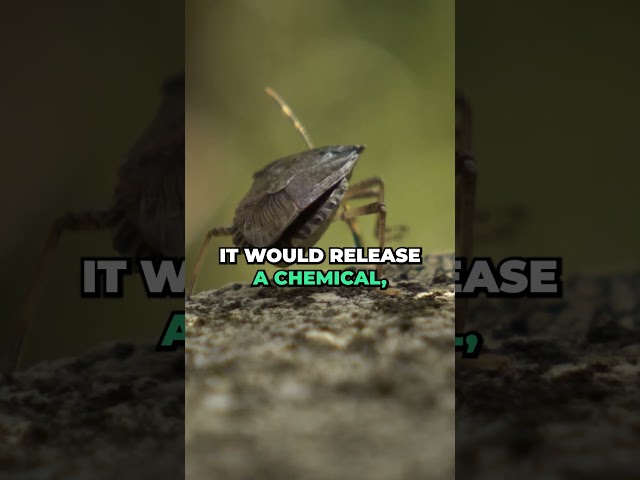
Stink bugs, notorious for their unpleasant odor when threatened, are unwelcome guests in homes and gardens. Fortunately, their keen sense of smell can be exploited to deter them. Several readily available scents are known to repel these pests, offering homeowners effective and natural pest control solutions.
Among the scents stink bugs despise is the sharp, pungent aroma of garlic. The sulfurous compounds in garlic are particularly offensive to these insects, disrupting their ability to navigate and find food. Planting garlic near susceptible plants or creating a garlic spray can effectively keep stink bugs at bay.
Mint, with its refreshing and invigorating scent to humans, is another potent stink bug repellent. The strong menthol in mint overwhelms the stink bug’s olfactory senses, driving them away from the area. Growing mint around the perimeter of the garden or using mint oil in a spray can create a natural barrier against these pests.
Citrus fruits, such as lemons, oranges, and limes, also emit a fragrance that stink bugs find repulsive. The acidic nature of citrus further contributes to their deterrent effect. Spraying a citrus-based solution or placing citrus peels near entry points can effectively repel these insects.
Clove oil, derived from the clove tree, possesses a strong, spicy aroma that stink bugs find particularly offensive. Its potent scent disrupts their ability to locate food and shelter, encouraging them to seek less pungent environments.
Neem oil, extracted from the seeds of the neem tree, is a natural insecticide with a strong, somewhat bitter odor. While effective against a wide range of pests, its scent also contributes to repelling stink bugs.
Another effective repellent is diatomaceous earth, a powdery substance made from fossilized algae. While not a scent-based repellent, it works mechanically, damaging the stink bug’s exoskeleton and dehydrating them. This can be sprinkled around areas where stink bugs are commonly found.
Maintaining a clean and clutter-free environment also helps deter stink bugs. Removing potential hiding places and food sources makes the area less attractive to these pests.
By utilizing these natural repellents, homeowners can effectively manage stink bug infestations without resorting to harmful chemical pesticides, creating a safer and more pleasant environment.
Important Points to Remember
-
Consistent Application:
Regular application of repellents is crucial for maintaining their effectiveness. Stink bugs are persistent pests, and the scent of repellents can dissipate over time, especially outdoors. Reapplying the chosen repellent every few days or after rain will ensure continued protection.
-
Integrated Pest Management:
Combining multiple repellent methods can enhance their effectiveness. Using a combination of scent-based repellents, physical barriers, and good sanitation practices can create a multi-layered defense against stink bug infestations.
-
Identify Entry Points:
Sealing cracks and crevices in walls, windows, and doors can prevent stink bugs from entering the home. These insects are adept at finding small openings, so thorough inspection and sealing are essential for effective prevention.
-
Proper Ventilation:
Ensuring proper ventilation in attics, crawl spaces, and other enclosed areas can help deter stink bugs. These pests prefer dark, stagnant environments, so good airflow can make these areas less appealing.
-
Natural Predators:
Encouraging the presence of natural predators, such as birds and parasitic wasps, can help control stink bug populations. Providing bird feeders and avoiding the use of broad-spectrum pesticides can support these beneficial insects and animals.
-
Vacuuming:
Regularly vacuuming areas where stink bugs are commonly found can help remove them and their eggs. This simple practice can significantly reduce the population and prevent further infestations.
-
Proper Plant Care:
Maintaining healthy plants can make them less susceptible to stink bug damage. Healthy plants are better equipped to withstand pest attacks and recover more quickly.
-
Monitor Infestation Levels:
Regularly checking for signs of stink bugs, such as their presence or the damage they cause, can help detect infestations early. Early detection allows for prompt intervention and prevents the problem from escalating.
-
Safety Precautions:
When using essential oils or other concentrated repellents, it’s important to follow safety guidelines. Some oils can irritate skin or cause respiratory problems, so proper dilution and ventilation are essential.
-
Professional Pest Control:
For severe infestations, contacting a professional pest control service may be necessary. Professionals have the expertise and tools to effectively manage large infestations and prevent future occurrences.
Tips for Effective Stink Bug Control
-
Create a Barrier:
Planting strong-smelling herbs like mint, lavender, and rosemary around the perimeter of your garden can create a natural barrier that deters stink bugs. These herbs emit scents that stink bugs find unpleasant, discouraging them from entering the area.
-
Garlic Spray:
A simple garlic spray can be made by blending garlic cloves with water and straining the mixture. This spray can be applied to plants and other areas where stink bugs are commonly found.
-
Citrus Peels:
Scattering citrus peels around entry points, windowsills, and other areas can deter stink bugs with their strong citrus scent. This is a cost-effective and natural way to repel these pests.
-
Essential Oil Diffusers:
Using essential oil diffusers with scents like clove, tea tree, or peppermint oil can help repel stink bugs indoors. The diffused oils create an environment that these pests find unfavorable.
Understanding the life cycle of stink bugs is crucial for effective control. They overwinter in sheltered locations and emerge in spring to feed and reproduce. Targeting their overwintering sites can help reduce populations before they become active.
Stink bugs are attracted to light, which is why they are often found near windows and doors at night. Minimizing outdoor lighting can help reduce their attraction to homes.
Different species of stink bugs have varying preferences for host plants. Identifying the specific species present in your area can help target control efforts more effectively.
Stink bugs are agricultural pests, causing significant damage to crops such as fruits, vegetables, and grains. Effective control measures are essential for protecting agricultural yields.
Climate change can influence stink bug populations and distribution. Warmer temperatures can expand their range and increase their reproductive rates.
Research is ongoing to develop new and more effective methods for controlling stink bugs. This includes exploring biological control agents, such as parasitic wasps, and developing new repellent formulations.
Community-wide efforts can be more effective in controlling stink bug populations than individual actions. Coordinated control strategies can help reduce overall pest pressure.
Educating the public about stink bug biology and control methods is essential for preventing infestations and minimizing their impact.
By understanding the behavior and vulnerabilities of stink bugs, homeowners and gardeners can implement effective strategies to protect their properties and crops from these persistent pests.
Frequently Asked Questions
John: How long do stink bug repellents typically last?
Professional: The longevity of a stink bug repellent depends on the specific product and environmental conditions. Generally, scent-based repellents need reapplication every few days, especially after rain or heavy dew. Physical barriers, like sealed cracks, offer more long-term protection.
Sarah: Are there any health risks associated with using stink bug repellents?
Professional: While many natural repellents are considered safe, some individuals may experience skin or respiratory irritation from certain essential oils. Always follow product instructions carefully and ensure proper ventilation when using concentrated repellents. If you have any concerns, consult with a healthcare professional.
Ali: What should I do if I have a severe stink bug infestation?
Professional: For severe infestations, it’s best to contact a qualified pest control professional. They have the expertise and tools to effectively manage large infestations and prevent future occurrences. They can also identify the specific species and recommend targeted treatment strategies.
Maria: Can I use vinegar to repel stink bugs?
Professional: While vinegar has some repellent properties against certain insects, its effectiveness against stink bugs is limited. It’s better to opt for more potent repellents like garlic, mint, or citrus.
David: Do stink bugs bite humans?
Professional: Stink bugs are not known to bite humans. Their primary defense mechanism is their unpleasant odor, which they release when threatened. However, they can cause damage to plants by feeding on them.
Lisa: What is the best time of year to treat for stink bugs?
Professional: Preventive measures are most effective in late summer and early fall, before stink bugs start seeking overwintering sites. Sealing entry points and applying repellents during this period can significantly reduce the chances of infestation.
Youtube Video: