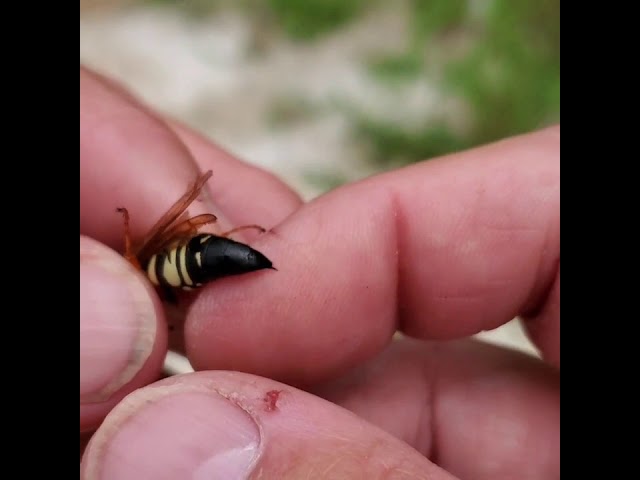
Virginia is home to a diverse array of bee species, many of which play crucial roles in the ecosystem as pollinators. While most bees are not inherently aggressive and prefer to focus on foraging for nectar and pollen, several species are equipped with stingers and will defend themselves or their nests if they perceive a threat. Understanding the defensive behaviors of these species is essential for peaceful coexistence and minimizing the risk of stings. Learning to identify these stinging insects can also help individuals take appropriate precautions when spending time outdoors.
For example, honeybees are known to sting when their hive is disturbed, while bumblebees, though generally docile, may sting if they feel trapped or threatened. Carpenter bees, often mistaken for bumblebees, are less likely to sting unless directly handled. Observing bee behavior and respecting their space can greatly reduce the likelihood of an unpleasant encounter.
Which Bees in Virginia Sting
The most common stinging bee in Virginia is the Western honeybee (Apis mellifera). These social insects live in large colonies, often housed in hives managed by beekeepers, but also found in the wild in tree cavities or other sheltered locations. Honeybees are generally docile but will defend their hive aggressively. A honeybee sting involves the loss of the stinger and venom sac, resulting in the bee’s death.
Bumblebees (Bombus spp.) are another group of stinging bees found in Virginia. These large, fuzzy bees are important pollinators, often nesting underground or in sheltered cavities. Unlike honeybees, bumblebees can sting multiple times. They are typically less aggressive than honeybees, stinging only when provoked or when their nest is threatened.
Carpenter bees (Xylocopa virginica) are large, solitary bees that resemble bumblebees but have a shiny, less hairy abdomen. Female carpenter bees can sting, but they are much less likely to do so than honeybees or bumblebees. They prefer to avoid confrontation and will only sting if directly handled or threatened.
Sweat bees (Halictidae family) are small bees attracted to perspiration. While they can sting, their sting is generally less painful than that of a honeybee or bumblebee. They are not aggressive and usually only sting if trapped or swatted.
Mining bees (Andrenidae family) are solitary ground-nesting bees. While females possess a stinger, they are rarely aggressive and sting only when directly threatened. These bees are important pollinators of various plants.
Mason bees (Osmia spp.) are gentle, solitary bees that nest in pre-existing cavities, such as hollow stems or insect holes. They are not aggressive and rarely sting, even when handled. Their sting is also considered less painful than other bee stings.
Leaf-cutter bees (Megachile spp.) are solitary bees known for cutting circular pieces of leaves to construct their nests. They are not aggressive and rarely sting unless provoked or handled roughly. Their sting is relatively mild.
Cuckoo bees (Nomadinae subfamily) are parasitic bees that lay their eggs in the nests of other bees. They generally do not have stingers and are not a stinging threat.
It is important to remember that even docile bees can sting if they feel threatened. Avoiding sudden movements, wearing light-colored clothing, and refraining from swatting at bees can help minimize the risk of stings.
Important Points Regarding Stinging Bees in Virginia
- Honeybees are social insects. They live in colonies with a queen, workers, and drones. Their complex social structure contributes to their defensive behavior, as they work collectively to protect the hive.
- Bumblebees can sting multiple times. Unlike honeybees, bumblebees do not lose their stinger after stinging, allowing them to defend themselves repeatedly if necessary. This makes them a potential hazard if their nest is disturbed.
- Carpenter bees are generally not aggressive. While female carpenter bees can sting, they are much less prone to stinging than honeybees or bumblebees. They are primarily focused on excavating nests in wood and are unlikely to sting unless directly handled or threatened.
- Sweat bees are attracted to perspiration. These small bees can be a nuisance due to their attraction to human sweat. However, their sting is generally mild and they are not aggressive unless trapped or swatted.
- Mining bees are important pollinators. These ground-nesting bees play a crucial role in pollinating various plants. While capable of stinging, they are not aggressive and rarely sting humans.
- Mason bees are gentle pollinators. These solitary bees are known for their docile nature and are unlikely to sting, even when handled. They are valuable pollinators of fruit trees and other plants.
- Leaf-cutter bees are not aggressive. These bees are primarily focused on collecting leaf fragments for their nests and are not inclined to sting unless provoked. Their sting is relatively mild.
- Cuckoo bees are parasitic. These bees do not have stingers and pose no stinging threat to humans. They rely on other bee species to raise their young.
- Bee stings can cause allergic reactions. While most bee stings cause localized pain and swelling, some individuals may experience severe allergic reactions. Seek immediate medical attention if you experience difficulty breathing, swelling of the face or throat, or dizziness after a bee sting.
- Bee conservation is important. Bees play a vital role in the ecosystem as pollinators. Protecting their habitats and promoting bee-friendly practices are essential for maintaining healthy ecosystems.
Tips for Avoiding Bee Stings
- Remain calm and avoid sudden movements. Swatting at bees or running away can provoke them to sting. Slow, deliberate movements are less likely to alarm them.
- Wear light-colored clothing. Dark colors can attract bees. Wearing light-colored clothing can make you less visible to them.
- Avoid wearing strong fragrances. Perfumes, colognes, and scented lotions can attract bees. Opt for unscented products when spending time outdoors.
- Be mindful of food and drinks. Sweet beverages and food can attract bees. Keep food and drinks covered when outdoors and dispose of trash properly.
- Inspect your surroundings. Before sitting or stepping in an area, check for bees and their nests. Avoid areas with high bee activity.
Understanding the nesting habits of different bee species can help prevent accidental encounters. Honeybees typically nest in cavities, while bumblebees often nest underground. Carpenter bees excavate tunnels in wood, while mason bees utilize pre-existing cavities. Being aware of these nesting preferences can help you avoid disturbing their nests and provoking a defensive response.
The venom of stinging bees contains a complex mixture of proteins and peptides that cause pain and inflammation. The specific composition of the venom varies between species, which can influence the severity of the reaction. Understanding the components of bee venom can help researchers develop more effective treatments for bee stings.
Bees play a crucial role in pollination, contributing to the reproduction of countless plant species. Their foraging activities facilitate the transfer of pollen between flowers, enabling the development of fruits, vegetables, and seeds. Protecting bee populations is essential for maintaining healthy ecosystems and ensuring food security.
Habitat loss and fragmentation pose significant threats to bee populations. The conversion of natural habitats to agricultural land and urban development reduces the availability of nesting sites and foraging resources for bees. Conservation efforts aimed at preserving and restoring bee habitats are crucial for their long-term survival.
Pesticide exposure can have detrimental effects on bee health. Certain pesticides can impair bee navigation, foraging behavior, and immune function, leading to population declines. Promoting the use of bee-friendly pest management practices is essential for protecting bee populations.
Climate change is also impacting bee populations. Changes in temperature and precipitation patterns can disrupt bee foraging activity and nesting behavior. Mitigating climate change and promoting adaptation strategies are important for safeguarding bee populations.
Citizen science initiatives play a valuable role in bee conservation. Engaging the public in bee monitoring and data collection can help researchers track bee populations, identify threats, and implement effective conservation measures. Participating in citizen science projects can empower individuals to contribute to bee conservation efforts.
Educating the public about the importance of bees and the threats they face is crucial for promoting bee conservation. Raising awareness about the ecological and economic value of bees can inspire individuals to take action to protect these vital pollinators.
Supporting local beekeepers and purchasing locally produced honey can contribute to bee conservation efforts. Beekeeping practices that prioritize bee health and welfare can help maintain healthy bee populations and promote sustainable honey production.
Frequently Asked Questions
John: What should I do if I get stung by a bee?
Professional: If you are stung by a bee, remove the stinger as quickly as possible (if it’s a honeybee), wash the area with soap and water, and apply a cold compress to reduce swelling. Over-the-counter pain relievers can help manage discomfort. If you experience signs of an allergic reaction, such as difficulty breathing or swelling of the face or throat, seek immediate medical attention.
Sarah: How can I tell the difference between a bumblebee and a carpenter bee?
Professional: Bumblebees are fuzzy all over their bodies, including their abdomens. Carpenter bees, on the other hand, have shiny, less hairy abdomens. Additionally, carpenter bees tend to hover around wooden structures, while bumblebees are more commonly seen foraging on flowers.
Ali: Are all bees in Virginia capable of stinging?
Professional: No, not all bees in Virginia can sting. Only female bees possess a stinger, and even among female bees, some species are much less likely to sting than others. Male bees, also known as drones, do not have stingers.
Maria: What can I plant in my garden to attract bees?
Professional: Planting a variety of native flowering plants can attract bees to your garden. Consider including plants with different bloom times to provide a continuous source of nectar and pollen throughout the growing season. Examples of bee-friendly plants include bee balm, coneflower, goldenrod, and aster.
David: How can I support bee conservation efforts in my community?
Professional: You can support bee conservation by creating bee-friendly habitats in your yard, reducing pesticide use, supporting local beekeepers, and educating others about the importance of bees. Participating in citizen science projects and advocating for policies that protect bees and their habitats are also valuable contributions.
Youtube Video: