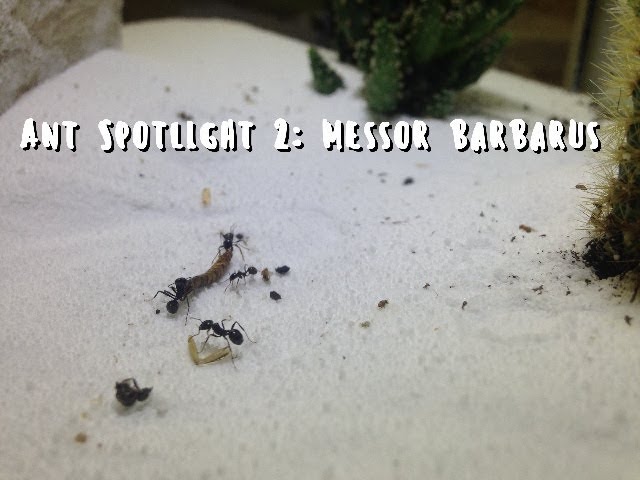
Small, dark-colored ants are common household pests found across various regions. These insects often establish colonies in walls, under floors, and within kitchen cabinets, seeking out sugary substances and other food debris. Their presence can be a nuisance, leading to contamination and the need for pest control measures. Understanding their behavior and preferred habitats is crucial for effective management.
ant spotlight little black ants
These tiny invaders, often no larger than a few millimeters, can exploit even the smallest cracks and crevices to gain entry into homes. Their dark coloration often makes them difficult to spot against common surfaces like countertops and floors. This allows them to establish a presence undetected, often until their numbers grow significantly. Their small size also makes them adept at accessing stored food products, leading to potential contamination.
Once inside, these ants leave pheromone trails to guide their nestmates to food sources. This efficient communication system allows them to quickly exploit any available resources. The trails are invisible to the naked eye but highly effective in directing the colony’s foraging efforts. This organized foraging behavior can lead to rapid infestations if left unaddressed.
While small, these ants can be persistent and challenging to eliminate. Their colonies can contain thousands of individuals, constantly replenishing the foraging workforce. Over-the-counter ant baits and sprays can provide temporary relief, but professional pest control services are often necessary for complete eradication. Preventing entry in the first place is key to long-term management.
Regular cleaning and proper food storage are essential for deterring these ants. Crumbs, spills, and improperly sealed food containers provide readily available food sources. By minimizing these attractants, homeowners can reduce the likelihood of infestation. Regularly emptying trash cans and wiping down surfaces can also help disrupt pheromone trails.
Sealing cracks and crevices in walls, windows, and doors can prevent ants from entering the home. Caulk and weather stripping can be effective tools for blocking entry points. Inspecting the exterior of the home for potential access points and addressing them promptly can significantly reduce the risk of infestation.
Outdoor sanitation is also important. Keeping garbage cans tightly sealed and removing debris from around the foundation of the home can help deter ant activity. Trimming vegetation away from the house can also reduce the likelihood of ants using plants as bridges to access the structure.
Natural deterrents like vinegar, lemon juice, and peppermint oil can be used to disrupt ant trails and discourage foraging. These substances can be applied to surfaces where ants are commonly seen. However, these methods are often temporary solutions and may not be effective for large infestations.
Understanding the behavior and biology of these small black ants is crucial for effective management. By implementing preventative measures and addressing infestations promptly, homeowners can minimize the nuisance and potential health risks associated with these common household pests.
Important Points
- Size and Appearance: These ants are typically small, ranging from 1/16 to 1/8 inch long, and are black or dark brown in color. This small size allows them to easily access tiny cracks and crevices, making them difficult to control. Their dark color can make them blend in with their surroundings, making detection more challenging. Understanding their size and appearance can help in identifying and managing infestations.
- Diet: They are attracted to sweet substances, grease, and protein-rich foods. This dietary preference makes kitchens and pantries prime targets for infestations. Proper food storage and regular cleaning are crucial for preventing these ants from establishing a food source. Leftover food and spills should be cleaned up promptly.
- Habitat: They typically nest outdoors in soil, under rocks, or in wood. However, they can also establish nests indoors, often within wall voids, under flooring, or in cabinets. Identifying and eliminating indoor nesting sites is essential for effective control. Professional pest control services may be required for difficult-to-reach nests.
- Behavior: These ants are highly social insects, living in colonies that can number in the thousands. They communicate using pheromone trails to guide their nestmates to food sources. This efficient communication system allows them to quickly exploit any available food resources. Disrupting these trails is key to controlling infestations.
- Reproduction: Colonies typically have a queen ant responsible for reproduction. The queen can lay hundreds of eggs, leading to rapid colony growth. Eliminating the queen is crucial for long-term control of infestations. Professional pest control services are often necessary to locate and eliminate the queen.
- Impact: While not typically dangerous, they can contaminate food and become a nuisance in homes. Their presence can be unsettling and can lead to food waste. Prompt action is necessary to prevent infestations from becoming established and widespread.
- Control: Effective control typically involves a combination of sanitation, exclusion, and the use of insecticides. Regular cleaning, sealing entry points, and using ant baits or sprays can help manage infestations. Professional pest control services may be necessary for severe infestations.
- Prevention: Preventing infestations involves regular cleaning, proper food storage, and sealing cracks and crevices in the home. By eliminating food sources and access points, homeowners can significantly reduce the risk of infestation. Regular inspections and proactive measures are key to long-term prevention.
Tips and Details
- Regularly clean kitchens and dining areas: Wipe down counters, sweep floors, and promptly clean up spills to eliminate food attractants. This removes the incentive for ants to enter and forage in your home. Regular cleaning also disrupts pheromone trails, making it harder for ants to find food sources.
- Store food in airtight containers: This prevents ants from accessing food sources and reduces the likelihood of infestation. Properly sealed containers also help maintain food freshness and prevent spoilage. Consider using glass or metal containers, as ants can sometimes chew through plastic.
- Seal cracks and crevices: Use caulk or weather stripping to seal entry points around windows, doors, and pipes. This creates a barrier against ants and other pests. Regularly inspect your home for potential entry points and address them promptly.
- Use ant baits: Place ant baits strategically in areas where ants are commonly seen. These baits contain insecticides that ants carry back to the colony, effectively eliminating the entire population. Follow the instructions on the bait packaging carefully.
- Maintain outdoor sanitation: Keep garbage cans tightly sealed, remove debris from around the foundation of the home, and trim vegetation. This reduces the attractiveness of your property to ants. Regularly cleaning outdoor areas can help prevent ant colonies from establishing themselves near your home.
Understanding the foraging behavior of these ants is key to effective control. They follow established pheromone trails to food sources, creating a constant stream of ants to and from the colony. Disrupting these trails by cleaning with soapy water can help deter further foraging. Identifying and eliminating the food source is crucial for long-term control.
Colonies can be located both indoors and outdoors. Indoor colonies can be found in wall voids, under flooring, or within cabinets. Outdoor colonies are often located in soil, under rocks, or in decaying wood. Locating and treating the colony directly is the most effective way to eliminate the infestation.
Professional pest control services can provide expertise in identifying and eliminating ant infestations. They have access to specialized tools and treatments that are often more effective than over-the-counter products. Consulting with a professional can save time and effort in the long run.
Preventative measures are the best defense against ant infestations. Regular cleaning, proper food storage, and sealing entry points can significantly reduce the risk of ants entering the home. By implementing these preventative measures, homeowners can create a less inviting environment for these pests.
Different species of ants may require different control methods. Correctly identifying the species of ant is important for choosing the most effective treatment. Consulting with a pest control professional can help with proper identification and treatment recommendations.
The lifecycle of the ant colony plays a role in the effectiveness of control measures. Understanding the colony’s lifecycle can help determine the best time to implement control strategies. For example, targeting the queen during the reproductive season can be highly effective.
Environmental factors can influence ant activity. Temperature, humidity, and rainfall can all affect ant behavior and foraging patterns. Taking these factors into account can help predict ant activity and implement control measures accordingly.
Integrated pest management (IPM) strategies combine various control methods to achieve long-term, sustainable pest control. IPM strategies often prioritize preventative measures and minimize the use of chemical treatments. This approach can be highly effective in managing ant infestations.
Monitoring ant activity after implementing control measures is essential to ensure effectiveness. Regular inspections can help identify any remaining ant activity and allow for prompt follow-up treatments. This proactive approach can prevent re-infestation and maintain a pest-free environment.
FAQ
John: How can I tell if I have an ant infestation?
Professional: Seeing a few ants occasionally isn’t necessarily a sign of an infestation. However, if you consistently see ants, especially in trails, or notice them near food sources, it’s likely you have an infestation. Look for signs of ant activity, such as small piles of dirt or debris near cracks and crevices, which could indicate nesting sites.
Sarah: What’s the best way to get rid of ants naturally?
Professional: Natural deterrents like vinegar, lemon juice, and peppermint oil can disrupt ant trails and discourage foraging. Diatomaceous earth, a natural powder, can also be effective. However, these methods may not be sufficient for large infestations, and professional help might be necessary.
Ali: Are over-the-counter ant sprays effective?
Professional: Over-the-counter sprays can kill ants on contact, but they often don’t address the entire colony. For effective long-term control, you need to eliminate the queen and the nest. Professional pest control services can provide more comprehensive solutions.
Maria: How can I prevent ants from coming back after treatment?
Professional: Maintaining a clean home, storing food properly, sealing entry points, and addressing any moisture issues are crucial for preventing re-infestation. Regular inspections and proactive measures are essential for long-term ant control. Consider implementing an integrated pest management approach for sustainable pest control.
Youtube Video: